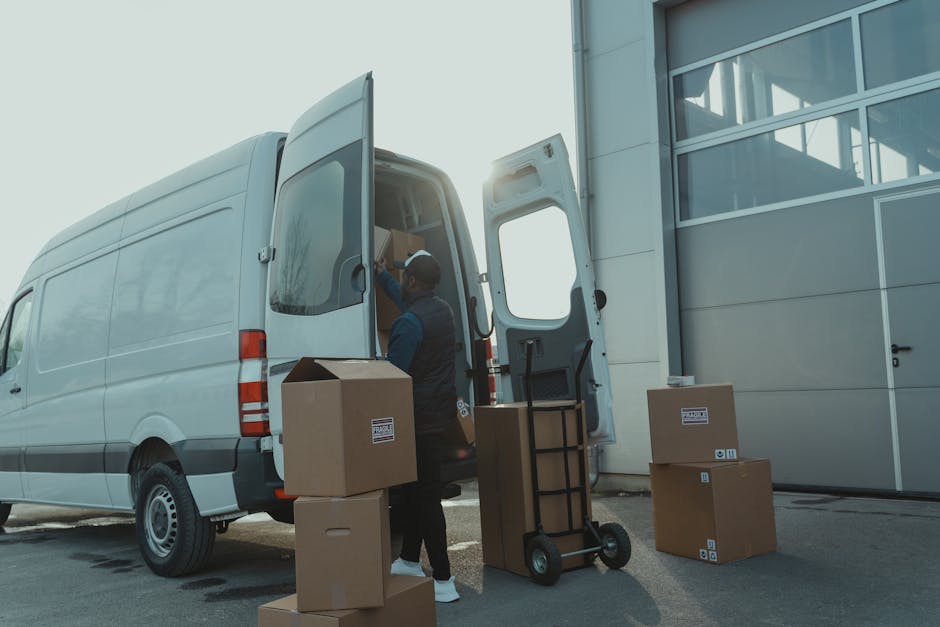
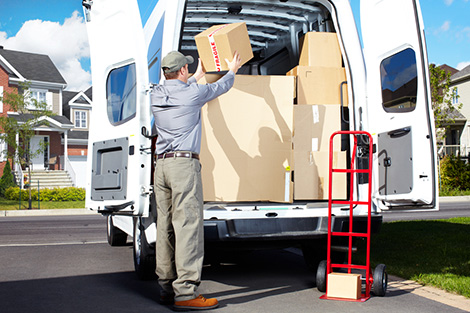
Knightsbridge station moving day logistics for removals vans

Moving near Knightsbridge station sounds simple on paper. In real life, it can feel like a puzzle made of narrow streets, timed access, impatient traffic, awkward kerbs, and a van that must be in exactly the right place at exactly the right moment. That is where Knightsbridge station moving day logistics for removals vans becomes more than a phrase - it becomes the difference between a smooth move and a stressful, stop-start day that eats time, money, and patience.
This guide breaks the process down in plain English. You will see how to plan access, sequence loading and parking, reduce delays, and make sensible choices about van size, packing, and staffing. If you are moving a home, flat, or office in the Knightsbridge area, or helping someone do it, the goal is the same: keep the van moving efficiently without creating chaos on one of London's busiest local transport corridors.
Truth be told, a good move around a station area is rarely about brute strength. It is about timing, permissions, route planning, and clean communication. Get those right and the rest usually follows.
Why Knightsbridge station moving day logistics for removals vans matters
Knightsbridge station is not the sort of place where you can casually double-park and hope for the best. The surrounding roads are busy, space is limited, and even a small delay can ripple through the whole moving schedule. If your van arrives too early, it may sit circling and burning time. Too late, and you may lose your loading window, upset building access arrangements, or end up asking a team to wait around at the kerb while you sort out keys, lift access, or a missing parking plan.
That matters for three reasons. First, moving vans are at their best when they can load in a clean sequence rather than making repeated trips. Second, the area around a station often includes service traffic, taxis, delivery vehicles, and pedestrians all competing for the same pockets of road space. Third, many moves in Knightsbridge involve larger homes, serviced apartments, or commercial spaces where timing is tied to building management rules. One small miss can become a big one rather quickly.
A well-managed moving day also protects your belongings. Fewer handovers, less shuttling, and a shorter time spent moving furniture across pavements all reduce the chances of knocks, scratches, and those little "how did that happen?" moments. We have all seen a sofa arrive at the van only to discover the lift was booked by somebody else. Not ideal. A bit of planning saves you from that sort of headache.
Expert summary: around Knightsbridge station, the winning move is not just choosing a removals van. It is coordinating access, parking, lift use, route timing, and loading order so the van can do its job without unnecessary stops.
How Knightsbridge station moving day logistics for removals vans works
At a practical level, moving day logistics is the chain of decisions that helps a removals van get close enough to load efficiently, stay long enough to complete the job, and leave without creating avoidable disruption. Around a station area, that chain usually has six parts: planning the route, checking vehicle access, confirming loading space, coordinating building entry, sequencing the load, and planning departure.
The first step is route choice. You want the van to approach from the most sensible direction based on traffic conditions, road width, and any known bottlenecks. The second step is access. Can the van physically reach the property without turning struggles or height restrictions? Is there room to pause safely? Will the driver need to reverse into place, or can they pull forward and depart quickly afterwards?
The third step is building logistics. Flats, townhouses, and commercial properties can each come with different rules. Some require lift booking. Some require prior notice to concierge or security. Others have tight arrival windows because other tenants or residents are loading at the same time. If you are moving from a ground-floor property, great - but do not assume that makes the day easy. The loading bay or nearest legal stopping point may still be the main issue.
Then comes the actual load plan. In a well-run move, heavy items go in first, fragile items are protected, and the team keeps a clear pathway between the property and the van. You will notice the difference when everything is packed in a logical order instead of in a scramble. The van is not just transport; it is part of the moving workflow.
If you are organising a home move, services like home moves and house removalists can help with the broader planning. For smaller, more flexible jobs, a man and van or man with van arrangement may be enough. For larger or more structured relocations, a moving truck or removal truck hire setup may be the better fit.
Key benefits and practical advantages
Good logistics is not just about avoiding problems. It creates positive knock-on effects across the entire move.
- Less waiting time: the van can get in, load, and leave without circling or sitting idle.
- Lower risk of damage: fewer rushed lifts, shorter carry distances, and fewer awkward manoeuvres.
- Better use of labour: the crew spends time moving items, not standing around wondering where to park.
- Cleaner coordination with building rules: if you have concierge, lift, or bay restrictions, good planning stops them becoming a last-minute surprise.
- More predictable costs: when a move stays on schedule, it is easier to control labour and vehicle time.
- Less stress: and let's face it, moving day is stressful enough without a van driver and a hallway full of boxes arguing with the clock.
There is also a less obvious benefit: morale. A tidy loading plan has a calming effect. When people know what goes first, where boxes go, and how the van is being used, the whole day feels more manageable. That counts for a lot, especially when moving from a busy Knightsbridge street where the sound of engines, footsteps, and doors opening and closing never quite stops.
Who this is for and when it makes sense
This kind of planning is useful for anyone moving close to Knightsbridge station, but it becomes especially important in a few situations.
Home movers benefit when they are moving from a flat, apartment, townhouse, or serviced residence where access is limited. If you have furniture that needs disassembly, or white goods that need careful handling, timing becomes even more important.
Small businesses relocating offices or studios near the station need a tighter schedule. Staff arrivals, building access, and equipment transport can all depend on a single van load. In that setting, commercial moves and office relocation services may be more appropriate than a simple one-off collection.
Students, renters, and short-term residents often need a lighter-touch service. A smaller van may be enough, provided the move is well timed and the packing is done properly.
Landlords, estate managers, and concierge teams also have a stake in the process. If the van is badly placed, it affects building traffic, neighbours, and potentially the move-in or move-out schedule for other residents. In that sense, logistics is not just a private issue. It affects the whole building rhythm.
This is also a common moment to think about add-on services. If you need items packed, unpacked, or organised for a tight turnaround, packing and unpacking services can save time and reduce confusion on arrival. And if you are clearing out a property before leaving, a furniture pick-up or disposal service may help avoid leaving unnecessary items behind.
Step-by-step guidance
Here is a practical way to plan the moving day from the van's point of view. It is not glamorous, but it works.
- Confirm the moving window. Know your start time, access time, and any building restrictions. If the property manager has given a specific loading slot, treat it as fixed unless told otherwise.
- Map the approach route. Identify the route the van should take and think through where congestion or narrow turns might slow things down.
- Check stopping and loading space. A van may not need a full bay, but it does need a sensible, lawful place to stop long enough to load safely.
- Decide on van size early. Too small and you create extra trips. Too large and you may make access harder than it needs to be.
- Pre-pack by priority. Put essential boxes, fragile items, and awkward furniture in clear categories so the load order is obvious.
- Protect the route from property to van. Measure doorways, halls, and lifts. If you know a wardrobe will need turning, do that thinking before moving day, not during it.
- Prepare the first-load stack. Have the heaviest and bulkiest items ready first, with lighter boxes filling the gaps around them.
- Assign simple roles. One person calls the shots, one handles access or keys, and one keeps an eye on the van load. Too many voices slows everything down.
- Plan for the last 15 minutes. Leaving is part of the move. Make sure the van can depart without a final scramble for keys, tape, or bin bags.
A small but useful detail: keep a basic "do not load yet" area inside the property. It stops important items from being swept into the van too early. Sounds obvious, but people forget. Usually at the exact wrong time.
Expert tips for better results
These are the sorts of things that make a move near a station feel properly managed rather than merely survivable.
- Choose a realistic arrival time. Early is not always better if the van has nowhere legal to wait.
- Keep the load path short. If one side of the building offers easier access, use it. Even a few extra metres on each trip add up fast.
- Use labels that mean something. "Kitchen - open first" is better than a box marked "misc." A van team can work faster when the boxes tell a clear story.
- Wrap awkward items before the van arrives. A long mirror or flat-pack furniture piece should not be getting sorted at kerbside while traffic waits behind you.
- Think about weather and footwear. A damp morning and a smooth pavement can make carrying more awkward than people expect. It is one of those tiny things that becomes very noticeable.
- Use a service that matches the job. A light, flexible move may suit a man and van arrangement. Larger home moves may need a more structured team or vehicle choice.
One practical habit we like is to keep a "van essentials" bag separate: keys, phone chargers, documents, water, snacks, tape, marker pens, and any building paperwork. It sounds a bit over-prepared. But on moving day, over-prepared often looks a lot like calm.
Common mistakes to avoid
Most moving-day problems around Knightsbridge station are not dramatic disasters. They are small planning errors that stack up.
- Assuming parking will sort itself out. It rarely does.
- Booking the wrong van size. A van that is too small creates more trips; one that is too large can be awkward around tight access.
- Leaving packing to the final morning. That is how fragile items get rushed and labelled poorly.
- Not telling the building in advance. Lifts, security, and loading bays often need coordination.
- Forgetting bulky appliances. Fridges, washers, and similar items need their own handling plan. If you need help with those, see fridge and appliance removal.
- Ignoring unwanted items. If you are leaving broken furniture, mattresses, or sofas behind, plan disposal rather than assuming somebody else will deal with it. Relevant services such as mattress and sofa disposal can be part of the clean-up.
- Mixing waste types. Hazardous materials, confidential paperwork, and ordinary household rubbish should not be handled the same way. If you need specialist removal, use the correct route, such as hazardous waste disposal or confidential shredding.
There is another mistake that people do not always admit: assuming everyone else understands the plan. They usually do not. A five-minute briefing at the start saves a surprising amount of muddle later on.
Tools, resources and recommendations
You do not need fancy equipment to manage a station-area move well, but a few basic tools make a noticeable difference.
- Boxes of a few standard sizes: easier to stack and load.
- Packing tape and markers: for clear room labels and fragile warnings.
- Furniture blankets or wraps: useful for doors, corners, mirrors, and polished finishes.
- Straps: to stop larger items shifting in transit.
- Simple floor protection: especially useful in shared buildings or freshly decorated homes.
- A move sheet or item list: keeps the loading order clear and helps with accountability.
For business moves, it can also help to coordinate with a service that understands structured relocations. Office relocation services are useful when desks, screens, documents, and equipment need to move in a controlled sequence. If you are looking for a broader truck-based solution, moving truck and removal truck hire can suit more demanding loads.
For customers who want help with the whole move rather than just the van, it is worth exploring packing and unpacking services alongside transport. That combination often turns a high-pressure day into a much more manageable one.
Law, compliance, standards, and best practice
Moving around a station area in London is not just about convenience. You still need to respect normal road, parking, and building rules, and your moving plan should reflect that. The details can vary by location and property, so it is sensible to confirm local requirements rather than guessing.
In practical terms, best practice usually means the following:
- Use legal stopping arrangements only. Do not rely on informal assumptions about where a van can wait.
- Follow building management instructions. If there is a loading bay, lift booking, or security sign-in process, treat it as part of the move, not an annoying extra.
- Handle waste responsibly. Separate reusable items from rubbish where possible, and use proper disposal routes for anything unsuitable for ordinary collection. The site's recycling and sustainability information is relevant if you are thinking about reducing waste during a move.
- Protect people as well as property. Safe lifting, clear walkways, and sensible team coordination matter more than trying to rush a job by brute force.
- Keep records if needed. For office or commercial moves, move lists and sign-off notes can help if there is a follow-up question later.
If a move involves insured valuables, delicate equipment, or a complex site plan, do not skip the basics. Ask for clarity on coverage, timing, and responsibilities in advance. The same goes for payment arrangements; a clear understanding of pricing and booking terms prevents awkward conversations on the day. For that side of things, payment and security and pricing and quotes are worth reviewing before you commit.
Options, methods, and comparison table
Choosing the right moving setup around Knightsbridge station depends on how much you are moving, how much access you have, and how much coordination the day will need. Here is a simple comparison.
| Option | Best for | Strengths | Watch-outs |
|---|---|---|---|
| Man and van | Smaller household moves, single-room relocations, light furniture collections | Flexible, straightforward, often easier to book for short-notice jobs | May be limited for large loads or multiple stops |
| Moving truck | Heavier or larger loads, bigger homes, more organised moves | Better capacity, fewer trips, efficient for full loads | Access can be more challenging in tighter streets |
| Removal truck hire | Moves where vehicle size and capacity are key planning factors | Useful when you want dedicated transport for a defined job | Needs stronger advance planning around parking and loading |
| Full packing and moving support | Busy households, time-pressed professionals, office relocations | Reduces stress, improves packing quality, supports a tighter schedule | Usually more involved planning before the day |
There is no single "best" choice for every move. A one-bed flat near the station may need only a nimble van and a small team, while a family home or office move may need a much more controlled setup. The key is matching the vehicle and service level to the access conditions, not just the item count.
Case study or real-world example
Here is a realistic example based on the kind of move that often happens near Knightsbridge station.
A couple moving out of a third-floor apartment had a narrow loading area, a lift that needed booking, and several large items: a bed frame, a dining table, a sofa, and around twenty boxes. At first, they assumed a larger vehicle would solve everything. But once access was reviewed, it became clear that the bigger issue was timing. The building had a short morning loading window, and the road outside was busier than expected by mid-morning.
The move was reorganised so the van arrived early, the heaviest items were staged first, and the lift was reserved before the crew started carrying anything. Small boxes were stacked separately, and fragile items were kept back until the route to the van was clear. The result was a steadier, quieter move with fewer pauses. Not perfect - there was a brief snag with a chair leg and a doorway, because there always is one little snag - but the day stayed under control.
The lesson was simple: the van mattered, but the schedule mattered more. If you align both, the move becomes much easier than people expect.
Practical checklist
Use this checklist before moving day. It is simple, but it covers the parts that usually trip people up.
- Confirm the exact moving date and time.
- Check building access rules, lift booking, and concierge instructions.
- Plan the van's route and likely stopping point.
- Match the vehicle size to the actual volume of items.
- Finish most packing before the crew arrives.
- Label boxes by room and priority.
- Set aside fragile, valuable, or "do not load yet" items.
- Prepare tools, tape, blankets, and straps.
- Separate items for disposal, donation, or recycling.
- Keep keys, paperwork, and phone contacts easy to reach.
- Brief everyone involved on the loading order.
- Confirm payment and any booking terms in advance.
Quick takeaway: if you know where the van can stop, what gets loaded first, and who is responsible for access, you have already solved most of the day's problems.
Get a free quote today and see how much you can save.
Conclusion
Knightsbridge station moving day logistics for removals vans is really about turning a difficult environment into a workable plan. The station area brings traffic, access limits, and timing pressure, but none of that is impossible if the move is organised properly. The right van, the right route, the right packing order, and the right level of service can make a huge difference.
Whether you are moving a flat, a family home, or a business space, the aim is the same: keep the day calm, keep the van productive, and keep surprises to a minimum. That might sound idealistic. It is not. It is just good preparation, done early enough.
If you want the move to feel less like a scramble and more like a plan, start with access, then build outwards from there. Small detail, big payoff. And on moving day, that is usually what matters most.
Frequently Asked Questions
What is the main challenge with removals vans near Knightsbridge station?
The biggest challenge is usually access and timing. Roads can be busy, stopping space may be limited, and loading often has to fit around building rules or local traffic patterns.
How early should a removals van arrive for a move near Knightsbridge station?
It depends on the property and the access window, but the key is to arrive early enough to load without rushing and not so early that the van has nowhere sensible to wait. A planned arrival is better than a hopeful one.
Is a man and van service enough for a Knightsbridge station move?
For smaller moves, yes, it can be. If you only have a modest load and straightforward access, a flexible service such as man and van may fit well. Larger homes or offices often need more capacity.
Do I need to book building lifts for moving day?
If your building requires lift booking, then yes. It is one of those details that seems small until it delays everything. Always check in advance with the building manager or concierge.
What size van should I choose for a move near the station?
Choose the smallest van that can still complete the job efficiently. Too small means extra trips, while too large may be harder to position in tight streets. The right choice depends on volume, access, and furniture size.
Can removals vans wait outside while I finish packing?
Sometimes, but you should not assume they can. Around busy station areas, legal stopping and waiting space can be limited, so it is better to have everything ready before the van arrives.
What should I do with items I do not want to move?
Separate them before moving day. If they are reusable, consider a furniture collection or pick-up option. If they are waste, arrange the proper disposal route rather than loading them last-minute.
How do I keep furniture safe during loading?
Use blankets, wraps, and straps, and load the van in a sensible order. Heavy items should go in first, with fragile pieces protected and secured so they do not shift in transit.
Are office moves near Knightsbridge station different from home moves?
Usually, yes. Office moves often involve tighter timing, equipment handling, and a stronger need for coordination. In that case, office relocation services can be a better fit than a simple household move.
What if I need to dispose of appliances or bulky waste?
Plan that separately. Appliances, mattresses, sofas, and other bulky items may need specialist handling. Services like fridge and appliance removal or mattress and sofa disposal can help keep the move cleaner and more efficient.
How can I reduce stress on moving day?
Finish packing early, label everything clearly, confirm access details, and keep a simple plan for the load order. A calm start usually leads to a calmer finish. Not always, but most of the time.
Where should I look first if I want a more organised move?
Start with the service level and pricing. Then review the practical support available, such as pricing and quotes, packing and unpacking services, and transport options that suit the size of the job.